Have you ever imagined controlling a computer or device just by thinking about it? Or restoring movement to paralyzed limbs through thoughts alone? Brain-computer interfaces (BCIs) are making these science fiction scenarios a reality by creating direct communication pathways between the human brain and external devices.
In this comprehensive guide, we'll demystify brain-computer interface technology. We'll use simple analogies and clear explanations that anyone can follow - no neuroscience background required! By the end, you'll understand how BCIs work, their current applications, and their transformative potential for healthcare, communication, and human enhancement.
Simple Definition
A brain-computer interface (BCI) is a system that enables direct communication between a brain and an external device, bypassing traditional neuromuscular pathways. Think of it as a translator that converts your thoughts, intentions, or brain activity patterns into commands that computers, prosthetics, or other devices can understand and act upon.
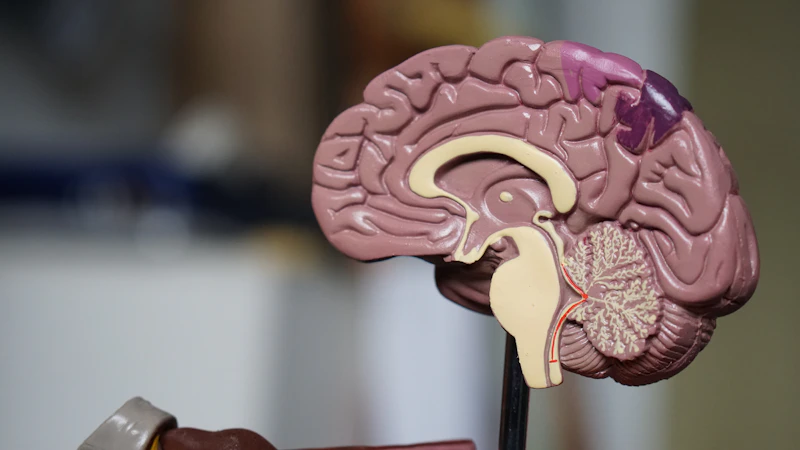
🧠 How Brain-Computer Interfaces Actually Work
BCIs work by detecting, interpreting, and translating brain signals into actionable commands. Here's the basic process:
Music Studio Analogy
Think of a BCI system like a professional music studio:
- Brain Activity: Like musical instruments playing (complex signals)
- Sensors: Like microphones capturing the sound
- Signal Processing: Like mixing and mastering the recording
- Pattern Recognition: Like identifying which instruments are playing
- Translation Software: Like converting music into sheet music
- Output Device: Like speakers playing back the processed sound
- Feedback: Like hearing the music to adjust your playing
The BCI Processing Pipeline:
Sensors detect electrical, magnetic, or metabolic activity from the brain using EEG, fMRI, or other technologies.
Raw signals are cleaned, amplified, and filtered to remove noise and artifacts (like eye blinks or muscle movements).
Relevant patterns are identified in the brain signals, such as specific frequencies, amplitudes, or spatial patterns.
Machine learning algorithms translate the extracted features into specific commands or intentions.
The translated commands control external devices like computers, prosthetics, or wheelchairs.
Users receive feedback (visual, auditory, or tactile) to learn and improve their brain control.
🔬 Types of Brain-Computer Interfaces
BCIs can be categorized based on how they interact with the brain:
| Type | How It Works | Advantages | Disadvantages | Applications |
|---|---|---|---|---|
| Non-invasive | Sensors on scalp detect EEG signals | Safe, no surgery, easy to use | Lower resolution, signal noise | Research, basic control, neurofeedback |
| Invasive | Electrodes implanted in brain tissue | High resolution, precise signals | Surgical risks, immune response | Severe disabilities, research |
| Partially Invasive | Electrodes on brain surface (ECoG) | Better signal than EEG, less risk than deep implants | Still requires surgery | Medical applications, research |
| Wearable | Headbands, caps with dry electrodes | Convenient, consumer-friendly | Limited capabilities | Wellness, entertainment, basic control |
1. Non-invasive BCIs (Most Common)
These use external sensors, typically electrodes placed on the scalp, to measure electrical activity through electroencephalography (EEG).
2. Invasive BCIs (Highest Performance)
These involve surgically implanting electrodes directly into brain tissue, providing the highest quality signals but with significant risks.
3. Partially Invasive BCIs (Balance)
Electrodes are placed on the surface of the brain (electrocorticography or ECoG), offering better signals than EEG with fewer risks than deep implants.

📊 Understanding Brain Signals
BCIs detect different types of brain activity patterns:
Brain Waves (EEG Rhythms)
- Delta Waves (0.5-4 Hz): Deep sleep, unconsciousness
- Theta Waves (4-8 Hz): Drowsiness, meditation, creativity
- Alpha Waves (8-13 Hz): Relaxed wakefulness, eyes closed
- Beta Waves (13-30 Hz): Active thinking, focus, problem-solving
- Gamma Waves (30-100 Hz): High-level processing, perception
- Mu Rhythm (8-13 Hz): Suppressed during movement or movement planning
Event-Related Potentials (ERPs)
Brain responses to specific stimuli or events:
- P300: Response to unexpected or significant stimuli (used in spelling BCIs)
- N400: Related to language processing and semantic meaning
- Visual Evoked Potentials (VEPs): Responses to visual stimuli
- Auditory Evoked Potentials: Responses to sounds
Movement-Related Signals
- Motor Imagery: Brain patterns when imagining movement without actual movement
- Movement Execution: Signals during actual physical movement
- Movement Preparation: Planning movements before execution
The Neuroplasticity Advantage
One of the most remarkable aspects of BCIs is how the brain adapts:
- Brain Adaptability: The brain can learn to control BCIs through neuroplasticity
- Co-adaptation: Both the user and the algorithm learn together
- Motor Learning: Similar to learning to ride a bike or play an instrument
- Cortical Reorganization: The brain can reassign functions to different areas
- Key Insight: BCIs work best when treated as a skill to be learned, not just a tool to be used
- Training Required: Most BCIs require significant practice and calibration
🏥 Medical Applications of BCIs
BCIs are transforming healthcare and rehabilitation:
1. Assistive Technology for Paralysis
- Communication Restoration: Enabling locked-in patients to communicate
- Environmental Control: Controlling lights, TV, and smart home devices
- Computer Access: Typing, browsing, and using software through thought
- Wheelchair Control: Navigating wheelchairs with brain signals
2. Neuroprosthetics and Movement Restoration
- Brain-Controlled Limbs: Controlling robotic arms and legs
- Functional Electrical Stimulation: Activating paralyzed muscles
- Sensory Feedback: Providing touch sensation through brain stimulation
- Spinal Cord Injury Rehabilitation: Bypassing damaged spinal pathways
3. Stroke and Neurological Disorder Rehabilitation
- Motor Recovery: Relearning movement after stroke
- Neurofeedback Therapy: Training brain patterns for better function
- Cognitive Rehabilitation: Improving attention, memory, and executive functions
- Parkinson's Disease: Managing tremors and movement symptoms
4. Epilepsy and Seizure Management
- Seizure Prediction: Early warning of impending seizures
- Responsive Neurostimulation: Preventing seizures through brain stimulation
- Treatment Optimization: Monitoring medication effectiveness
5. Mental Health Applications
- Anxiety and Stress Management: Neurofeedback for relaxation
- ADHD Treatment: Training focus and attention
- Depression Therapy: Modulating brain activity patterns
- Addiction Treatment: Reducing cravings through brain training
💻 Consumer and Research Applications
Beyond medical uses, BCIs are finding applications in various fields:
1. Gaming and Entertainment
- Thought-Controlled Games: Controlling characters and actions
- Immersive Experiences: Adapting content based on emotional state
- Attention Monitoring: Games that respond to focus levels
- VR/AR Integration: More natural interaction in virtual environments
2. Education and Learning
- Focus Monitoring: Tracking attention during learning
- Personalized Learning: Adapting content based on cognitive state
- Skill Acquisition: Accelerating learning through neurofeedback
- Brain Training: Improving cognitive functions
3. Workplace Productivity
- Focus Enhancement: Monitoring and improving concentration
- Fatigue Detection: Alerting when attention wanes
- Stress Management: Real-time stress monitoring and intervention
- Creative Flow States: Identifying and enhancing creative states
4. Research and Scientific Discovery
- Brain Function Mapping: Understanding how different brain areas work
- Consciousness Studies: Investigating the neural basis of consciousness
- Memory Research: Understanding how memories are formed and retrieved
- Decision Neuroscience: Studying how decisions are made in the brain

🌟 Current BCI Systems and Companies
Several organizations are leading BCI development:
| Company/Project | Approach | Focus Area | Status/Product |
|---|---|---|---|
| Neuralink | Invasive, high-density electrodes | Medical and consumer applications | Clinical trials, developing implant |
| Synchron | Minimally invasive, stent-based | Paralysis communication and control | FDA approved, commercial product |
| Kernel | Non-invasive, wearable | Consumer neurotechnology | Available products, research focus |
| Blackrock Neurotech | Invasive, Utah Array implants | Medical applications, research | Longest human implants (10+ years) |
| Emotiv | Non-invasive, EEG headsets | Consumer, research, wellness | Available products, software platform |
| OpenBCI | Open-source, EEG systems | Research, education, developers | Available hardware and software |
| BrainGate | Academic consortium, invasive | Medical research, clinical trials | Research platform, multiple studies |
⚡ Breakthrough Technologies in BCI Development
Several technological advances are pushing BCI capabilities forward:
1. High-Density Electrode Arrays
Thousands of microscopic electrodes recording from many neurons simultaneously, like Neuralink's "threads" technology.
2. Wireless and Fully Implantable Systems
BCIs that don't require external cables, enabling greater mobility and reducing infection risk.
3. Closed-Loop Systems
Systems that both read from and write to the brain, creating bidirectional communication.
4. Stentrode Technology
Minimally invasive electrodes delivered through blood vessels, like Synchron's Stentrode.
5. Optogenetics
Using light to control genetically modified neurons, offering precise control but still experimental in humans.
6. Flexible and Biocompatible Materials
Electrodes that conform to brain tissue and minimize immune response.
BCI Evolution: From Telegraph to Smartphone
Think of BCI development like communication technology evolution:
- Early BCIs (1990s): Like telegraph - slow, basic, few commands
- Current Medical BCIs: Like landline phones - reliable, specific purpose
- Consumer EEG Headsets: Like early mobile phones - portable but limited
- Modern Invasive BCIs: Like smartphones - powerful, multifunctional
- Future BCIs: Like neural internet - seamless, high-bandwidth, always-on
- Key Trend: Moving from laboratory tools to practical, user-friendly systems
⚠️ Challenges and Limitations
Despite rapid progress, BCIs face significant challenges:
Technical Challenges
- Signal Quality: Brain signals are weak and noisy, especially non-invasive
- Individual Variability: Brain patterns differ between people and even day-to-day
- Calibration Requirements: Most systems require lengthy setup and training
- Longevity: Implants degrade over time and may stop working
- Bandwidth Limitations: Current BCIs transmit far less information than natural senses
Biological Challenges
- Immune Response: The brain treats implants as foreign objects
- Tissue Damage: Implants can cause scarring and inflammation
- Signal Stability: Recordings can change as tissue reacts to implants
- Safety Concerns: Risks of infection, bleeding, or device failure
Practical and User Experience Challenges
- Ease of Use: Most systems are complex and require technical support
- Comfort and Aesthetics: Current devices are often bulky or obvious
- Cost: Advanced BCIs are extremely expensive
- Maintenance: Regular calibration and adjustments needed
🔐 Ethical Considerations and Future Concerns
BCIs raise important ethical questions that society must address:
Privacy and Mental Privacy
- Thought Privacy: Protecting the sanctity of our inner thoughts
- Data Security: Securing highly sensitive brain data
- Surveillance Risks: Potential for mind reading or monitoring
- Informed Consent: Truly understanding risks of brain data collection
Identity and Agency
- Personal Identity: How BCIs might change our sense of self
- Agency and Control: Who controls the interface - user or system?
- Authenticity: Are thoughts or actions "genuine" if mediated by technology?
- Addiction Potential: Risk of over-reliance or addiction to enhanced capabilities
Equity and Access
- Digital Divide: Creating new inequalities between enhanced and non-enhanced
- Medical vs Enhancement: Different standards for therapeutic vs enhancement uses
- Cost Barriers: Making advanced BCIs accessible to all who need them
- Coercion Risks: Pressure to enhance for employment or competitive advantage
Safety and Long-term Effects
- Unknown Long-term Effects: Impacts of decades of brain-computer interaction
- Psychological Effects: How constant connectivity might affect mental health
- Dependency Risks: Loss of natural abilities through technology reliance
- Malicious Use: Potential for hacking, manipulation, or coercion
The BCI Bill of Rights (Proposed)
Some experts propose principles to guide BCI development:
- Cognitive Liberty: Right to mental self-determination
- Mental Privacy: Right to keep thoughts private
- Psychological Continuity: Right to maintain sense of self
- Informed Consent: Right to understand risks and benefits
- Fair Access: Right to equitable access to therapeutic BCIs
- Protection from Coercion: Right to refuse enhancement
- Security and Safety: Right to safe and secure systems
- Accountability: Right to know who controls the technology
🚀 The Future of Brain-Computer Interfaces
BCI technology is advancing rapidly with exciting possibilities:
Near-term Developments (5-10 years)
- Improved Non-invasive Systems: Better signal quality without surgery
- Medical Standardization: BCIs as standard medical treatments
- Consumer Applications: Mainstream brain-controlled devices
- Wireless Everything: Elimination of cables and external components
Medium-term Advances (10-20 years)
- Bidirectional Communication: Full sensory feedback to the brain
- Neural Lace Technology: Mesh-like implants covering large brain areas
- Brain-to-Brain Communication: Direct thought sharing between people
- Enhanced Cognition: Improving memory, attention, and learning
Long-term Vision (20+ years)
- Brain-Cloud Interfaces: Direct access to vast information networks
- Consciousness Uploading: Preserving or transferring consciousness
- Human-AI Merging: Blending human and artificial intelligence
- New Senses: Perceiving infrared, ultraviolet, or other currently imperceptible information
- Collective Intelligence: Networked human minds working as one
🎓 Getting Started with BCI Technology
If you're interested in exploring BCIs, here are some entry points:
Try affordable EEG headsets like Emotiv or Muse to understand basic brain sensing.
Use open-source tools like OpenBCI's software or MATLAB/EEGLAB for signal processing.
Study neuroscience fundamentals and signal processing concepts through online courses.
Participate in BCI forums, hackathons, or academic groups to learn from others.
Study neuroethics to understand the broader implications of brain technology.
Key Takeaways
- BCIs create direct communication pathways between brains and external devices
- Three main types: non-invasive (EEG), invasive (brain implants), and partially invasive
- Work by detecting, processing, and translating brain signals into commands
- Medical applications include restoring communication, movement, and treating neurological disorders
- Consumer applications span gaming, education, wellness, and productivity
- Current leaders include Neuralink, Synchron, Kernel, and academic consortia
- Key challenges include signal quality, individual variability, and ethical concerns
- Important ethical considerations around privacy, identity, equity, and safety
- The future includes bidirectional interfaces, brain-to-brain communication, and enhanced cognition
- Starting with consumer EEG and open-source software is a good entry point
🔍 Why Understanding BCIs Matters
Understanding brain-computer interfaces is crucial because:
- Medical Revolution: They offer hope for previously untreatable conditions
- Future Technology: BCIs may become as common as smartphones
- Ethical Preparedness: Society needs to establish guidelines before widespread adoption
- Career Opportunities: Growing field with diverse roles in tech, medicine, and ethics
- Personal Understanding: Learning about BCIs helps us understand our own brains better
- Policy Development: Informed citizens can contribute to sensible regulation
- Human Evolution: BCIs represent a potential next step in human development
- Technological Literacy: Understanding one of the most transformative technologies of our time
Brain-computer interfaces represent one of the most profound intersections of technology and humanity. By creating direct links between our biological brains and digital systems, they challenge our understanding of what it means to be human while offering unprecedented opportunities to overcome limitations and enhance human potential.
Want to learn more? Check out our guides on neural networks, artificial intelligence, and medical technology.
Have questions about brain-computer interfaces or their implications? Contact us - we're here to help make technology understandable for everyone!